
Mapping the RPC Landscape
The emergence of compute commodity markets
Crypto RPC markets are compute commodity markets in disguise. I’ll unpack what that fully means in another article but for now the thing you need to understand is that it’s a market that offers the same end product (data) but has variances in how it offers it.
These variances come down to the following key factors:
Price: the obvious one
Rate limits/capacity: how much unexpected load can they handle
Data quality: how often do they provide correct/incorrect data
Latency: how performant is this node when called
Geography: where is the node physically located
Availability: do they offer the chain or method you care about (archive calls are challenging)
As a result of these variances, you have the following three major categories emerge:
1. RPC Providers
2. RPC Federations
3. RPC Proxies
4. RPC Aggregators
While all of these look similar on the surface, I’ll be breaking down why and how each of these categories are different so you can better understand the landscape.
RPC Providers
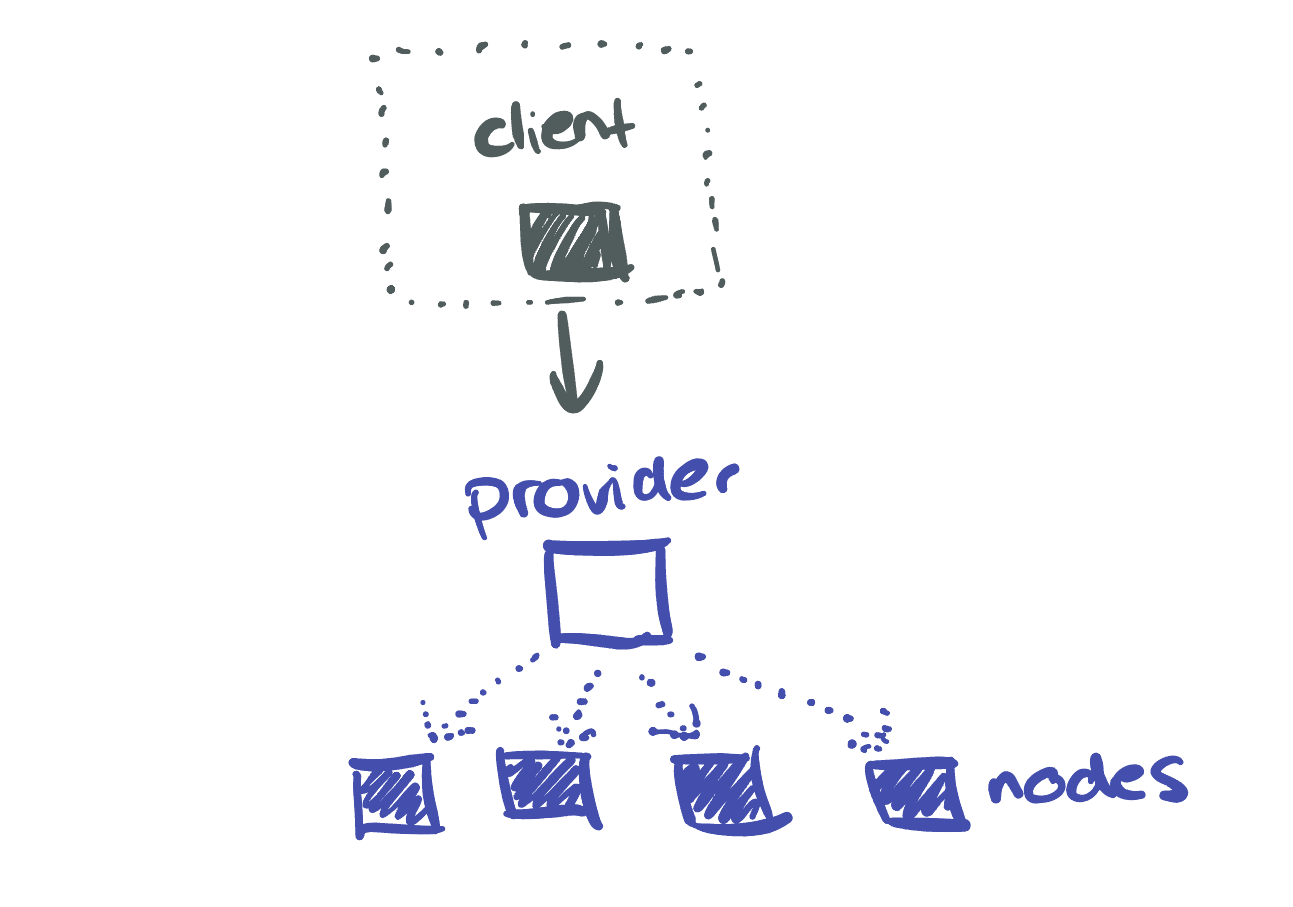
Providers are defined as companies or entities that buy, manage and orchestrate their own inventory of nodes. Their core defining trait is ownership of their node fleet. Common examples of providers include: Alchemy, Infura, Quicknode and more. Because they own their own node fleet, they set prices and terms how they want. No one sits in between them and the nodes that they offer. At scale, using providers directly requires managing failover, inventory, and cost optimization yourself.
Players in this space: Alchemy, Quicknode, Chainstack + many more.
RPC Federations
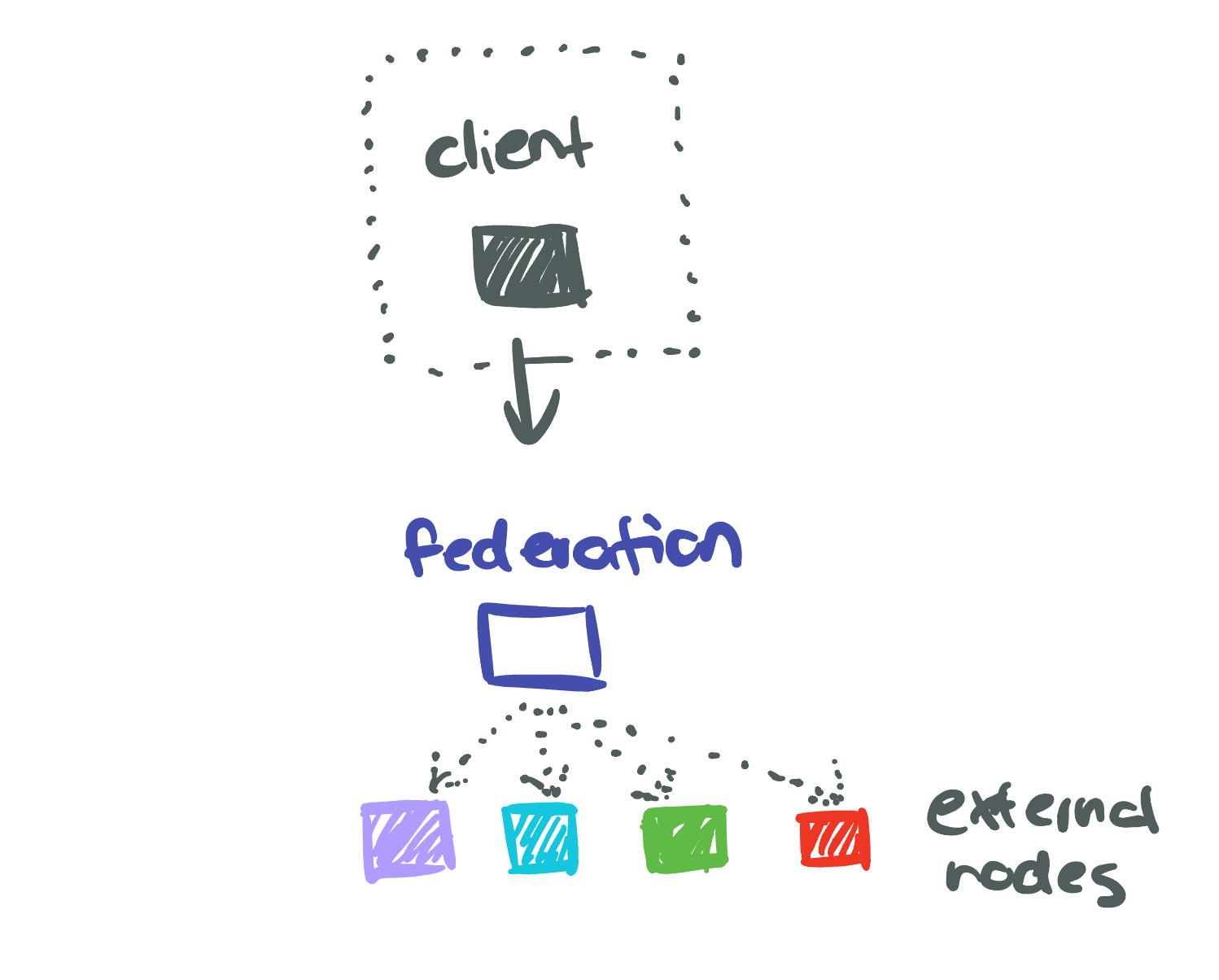
Often confused with aggregators, federations are networks that allow the provisioning of other people’s nodes to join a network of nodes. Federations set a single price for end customers and then ensure node providers are strictly less than the advertised price. In addition, special software is required to join a federation often adding complexity to operations. RPC Providers typically do not like to be part of federations due to their decreased pricing power and added overhead complexity. Opportunities predominantly lie here for small scale shops that want to run nodes by making use of idle compute, although expertise is still required here. On the outset, RPC federations present as a single provider despite them not actually running any nodes themselves.
Players in this space: dRPC, Pocket Network, Infura DIN, Lava Network
RPC Proxies
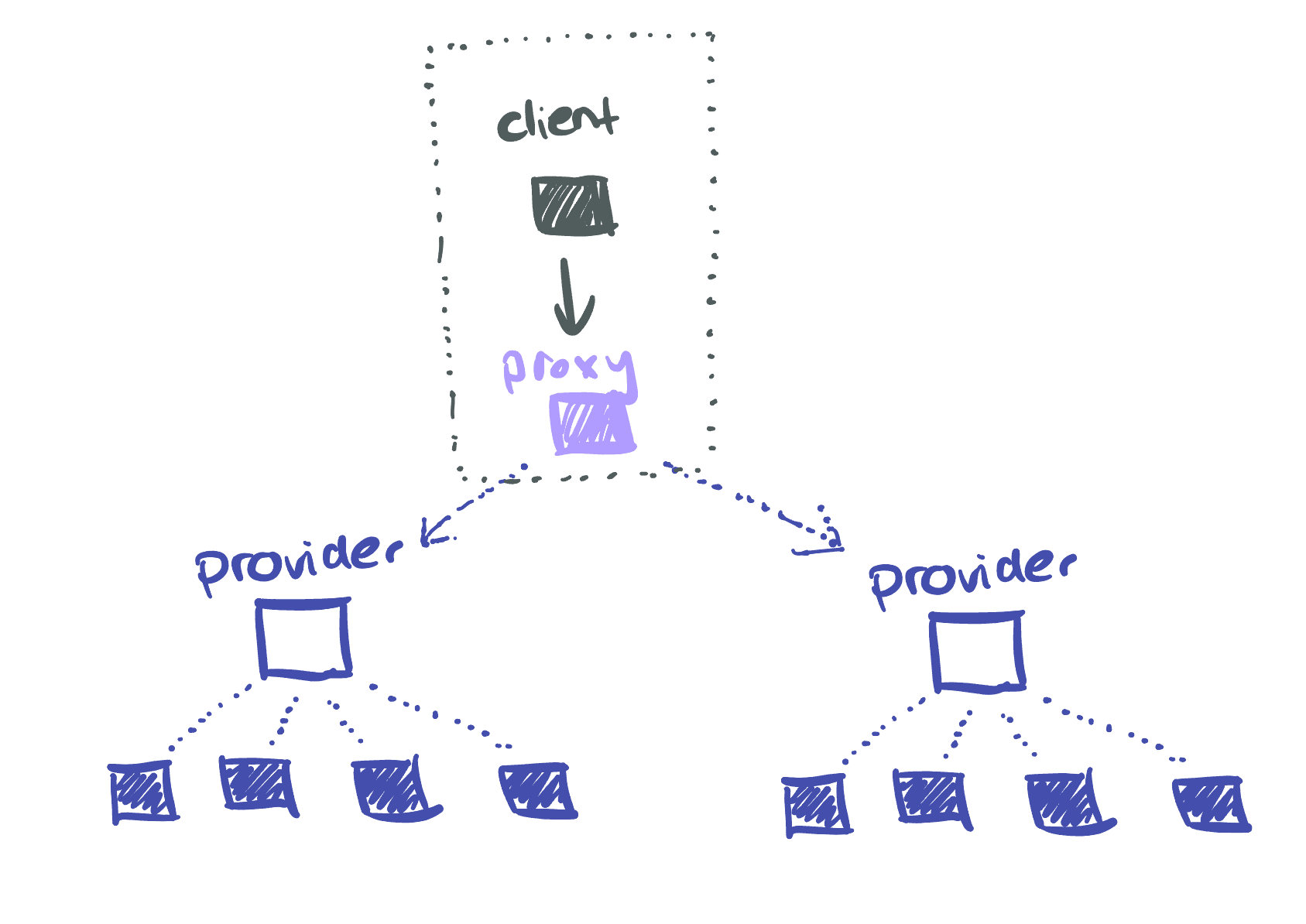
This category often combines the above two through software that can dynamically route to a provider of your choice based on pre-configured rules you set. The software for routing is often hosted by yourself and it is your job to bring your own providers managing the billing of said providers. One way of looking at this category is a control panel to direct traffic and manage multiple providers through your own engineering effort. Inventory is owned by the customer and needs to be managed as such.
Proxies and aggregators aren’t mutually exclusive. A client can run a proxy client side while having many providers or aggregators upstream.
Players in this space: eRPC & Lava Network
RPC Aggregators
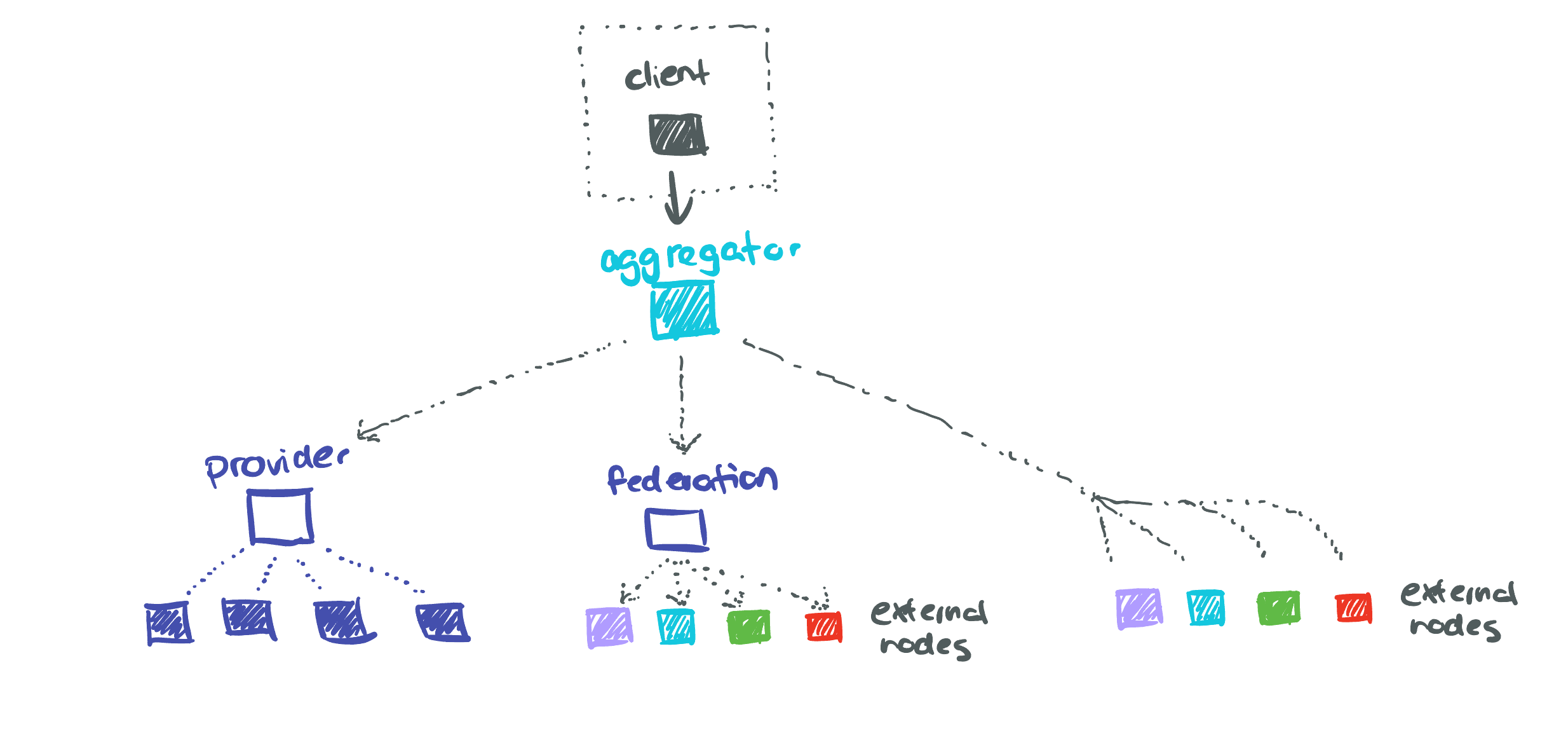
On the surface an aggregator look similar to a federations and proxies, but operate very differently mechanically. Aggregators integrate at a provider level and actually own the inventory of RPC capacities across providers while not owning any nodes themselves. You can think of it as a meta-claim on node capacity without running them. This routing and inventory management is done algorithmically and doesn’t impose any rules or conditions on the providers, but rather selects the best one for the request to be served as per a certain criteria (price or latency). To ensure economic profitability, aggregators have dynamic pricing models that reflect true supply/demand forces of running a node for that route.
Despite adding their own margin, aggregators offer the lowest prices and latencies for consumers as millions of pathways are algorithmically evaluated and routed to in real time. The intelligence layer applied results in economies of scale for the aggregator while creating an every improving service as more machine intelligence is gathered.
Players in this space: RouteMesh
Trends
As you can see in all the diagrams, nodes are at the end of the chain, however what happens in between has many nuances. Through building RouteMesh, we have a front row seat of how the industry is evolving from a low level technical stack. In future articles I plan to share more about the work we’re doing and the juicy data we get to see about how various providers perform at scale with the trade offs each of them makes.
Just like how the internet grew up to develop more layers of technical abstraction, crypto is going through a similar phase. Without these advancements, achieving scale and keeping up with demands becomes increasingly challenging.
Nice post Kerman.
Would be nice to collaborate with u(i build DevTools for RPCs, and also write technical blogs too).